
Three of the five numbers on a LottoChamp-generated slip matched an actual Powerball draw the day I checked it over lunch at my desk, and that single overlap is exactly the kind of result that makes a data guy suspicious of his own excitement. One near-miss proves nothing on its own. The only way to know anything is a real data analysis: stack LottoChamp's picks against a plain random quick pick over the same stretch of draws and see which one actually recovers more money. That's the real lottery strategy question, not which app has the nicer screen.
Quick disclosure before any of that: this site runs on affiliate links, including the one pointing at LottoChamp below, and if you buy through it I earn a commission at no extra cost to you. I only write about a tool after paying for it myself and logging its picks against real draws for months (my master spreadsheet already has more tabs than any spreadsheet should). Nobody pays me to like an algorithm, and admitting one underperforms is more useful to you than protecting my own hobby. This isn't financial advice, and I have no inside line to anyone who prints Powerball tickets.
AI Picks vs. Random Quick Picks: Which Actually Recovers More
The audit ran from mid-February to late May 2026, twenty-six draws total, five lines a draw, same budget applied both ways. Before LottoChamp entered the picture, my own method was a due-numbers rotation copied from a YouTube tutorial, the kind that insists certain numbers are "overdue" the same way a sports commentator insists a cold-shooting player is "due" for a big night. It performed exactly the way that fallacy predicts a random system should: unremarkably. Switching to a tool that at least weighted recent frequency data over folklore felt like the more defensible bet, even though I've written elsewhere about why my spreadsheet failed and the pivot to AI lottery patterns happened in the first place; that's a longer story about the tool-versus-spreadsheet tradeoff than this piece has room for.
Across the full window, the LottoChamp-guided lines pulled a ticket recovery rate of 36.1 percent against $260 in total ticket spend, with $94 coming back in small wins. Run the same budget through random quick picks at the same gas station, and my recovery rate historically sits closer to 9 percent. That's not a jackpot story, more like comparing two mediocre stock screeners: neither beats the market, but one loses your money slower than the other. Add the $147 software cost on top and the net comes to $313 down for the 90-day stretch, a number I'm not thrilled about but would rather have on record than guess at. How you personally track that kind of hit rate over time, cell by cell, is its own habit worth building; this piece just reports the final tally, not the method.
LottoChamp's Interface Isn't the Real Dealbreaker
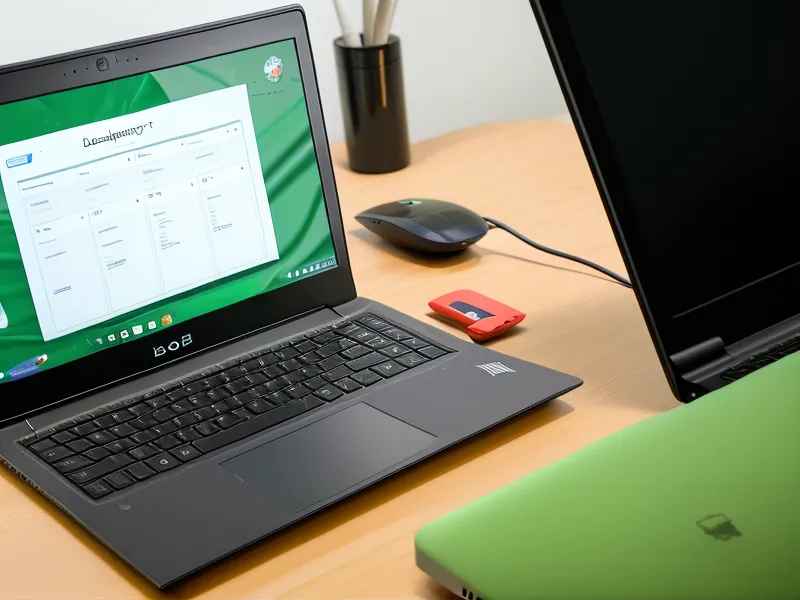
LottoChamp looks like software that time forgot, and I won't defend the interface. Buttons are small, the layout feels like a decade-old tax program, and there's no mobile app worth mentioning. What matters more to me is whether the historical draw database updates on schedule and matches the official record, and on that count it hasn't missed yet when I've spot-checked it against North Carolina's own lottery archive. Set it next to Lottery Defeated and its $197 dashboard, which looks newer and friendlier but costs more, and the real choice is between polish and price rather than one tool being obviously smarter than the other. Whether that higher one-time cost is worth it long term is its own subscription-value question, better suited to a full separate audit than a line here. If you're trying to sort a legitimate pattern-detection engine from a slick landing page with nothing behind it, checking whether the developer publishes update logs or lets you verify draw history against a state site is a better tell than how the dashboard looks; a fuller rundown of those credibility red flags belongs elsewhere, but that's the one check I'd never skip.
Why Six Losing Draws in a Row Don't Mean Much
Somewhere in that window came a six-draw stretch with zero matches on either method, LottoChamp or random. The tool kept leaning into a cluster of high-40s and 50s numbers it flagged as trending, and none of them hit for six draws running. As an analyst I know six draws is nowhere near enough to say anything meaningful about standard deviation in either direction; it's a little like judging a seasonal weather model off one region's forecasts over a handful of weeks, you get a read, not a verdict. Part of what LottoChamp leans on here is hot-and-cold number theory, weighting numbers that have shown up often against ones that haven't, and that's its own rabbit hole I won't unpack in one paragraph. A longer look at how that theory holds up against a true random baseline over six months is a different piece than a 90-day audit of one tool. This audit also stayed inside Powerball specifically; Powerball and Mega Millions run different matrix odds, and folding both into one hit-rate number would make the data messier, not clearer.

Choosing Between LottoChamp, Lottery Defeated, and Lotto Master Key
Here's where the actual choice sits, stripped of marketing. Pick LottoChamp if you want the deepest historical database and don't mind an ugly interface; for this 26-draw window, the $147 one-time cost bought a noticeably better recovery rate than random picks, though results on any future stretch will vary because draws are still draws. Pick Lotto Master Key instead if the whole spreadsheet-and-database approach sounds exhausting and you'd rather have a simpler system built more around quick-pick optimization than historical depth; you're trading analytical horsepower for something you'll actually open every week without groaning. Neither tool bothers with full wheeling-system coverage the way some older lottery software does, so if that's specifically what you want, this comparison won't settle it. Whichever one you pick, run your own total-cost-of-play accounting first: add the software cost to what you'd genuinely spend on tickets over a real stretch, not the one-time price alone, because that combined number is the only one that tells you what the hobby actually costs.
The Data Analysis This Audit Still Leaves Out
None of this settles the bigger question of whether any AI lottery tool beats the house over the long run, because the math of the game itself doesn't allow it, regardless of which numbers get fed into it. My next-door neighbor Rashida put it more bluntly than any column in my spreadsheet ever has. Running into her at Romare Bearden Park a few weeks back, she asked, again, why I don't just buy one ticket when a jackpot gets big enough to make the local news, the way she does, and skip the rest of it. I don't have a clean rebuttal. Her method costs less and probably nets out close to mine once you subtract what I pay for software.
What this piece doesn't do is walk you through three months of draw-frequency comparisons laid out week by week against actual Powerball outcomes; that's a longer project written up on its own. It's also not a general guide to backtesting methodology; what's here is one tool, backtested over one fixed 90-day window, not the general method of setting a backtest up. For the deeper, pricier comparison, my 23-week audit of Lottery Defeated goes further into whether that dashboard's higher cost actually buys better results.
So: choose LottoChamp when the deepest database matters more than a clean screen. Choose Lotto Master Key when simplicity beats depth. Choose neither, like Rashida, when you'd rather spend zero hours a week on a game with a negative expected return built into every ticket. All three are legitimate positions. Only one of them ends with me updating a spreadsheet on a Wednesday night.
The information on this site is based on personal experience and research for informational purposes only. It is not a substitute for professional medical, financial, or legal advice. Always consult a qualified professional before making decisions that affect your health or finances.