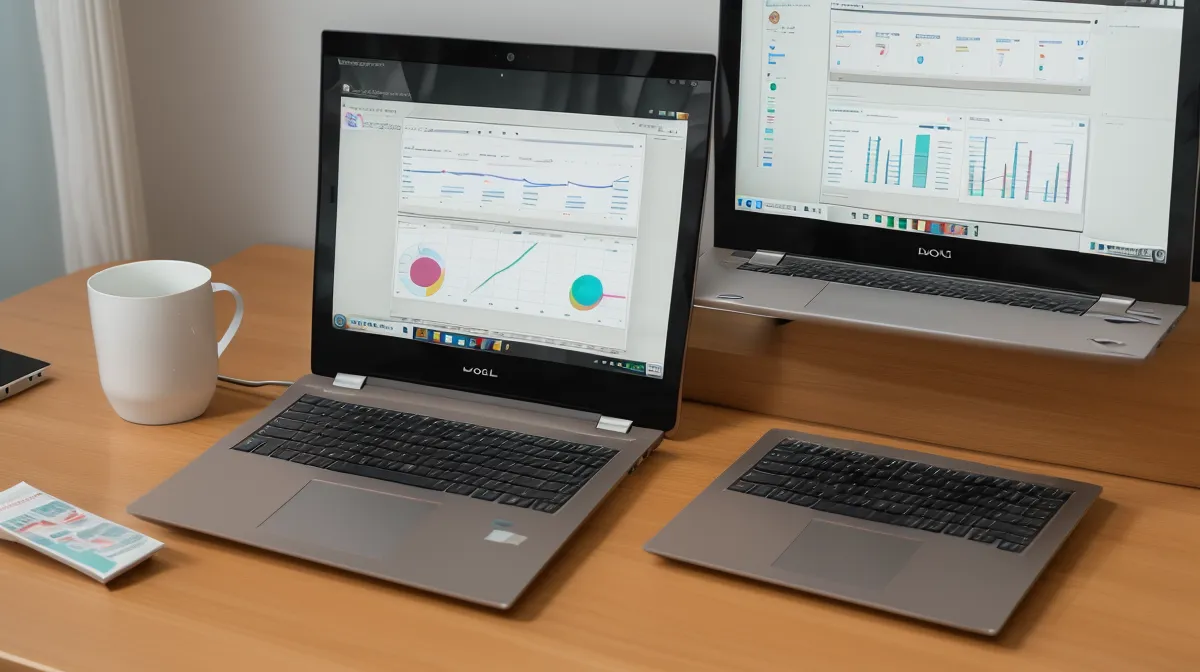
Red cell, green cell, matched, not matched. I'm three columns into last night's comparison before I've even opened email. That's the real shape of testing AI lottery prediction tools: not a lightning-bolt moment, just rows of Powerball and Mega Millions numbers checked one draw at a time against whatever three different algorithms picked. This is the data tracking habit that turned into an actual project, and what follows is the lottery analysis and Powerball strategy breakdown that habit produced: what these tools claim to do, what they did against real draws, and where the claims run out.
Quick disclosure before anything else: some of the links below are affiliate links, and if you sign up through one I earn a commission at no extra cost to you. None of that changes what's written here — every product mentioned got run against the same Wednesday and Saturday draws as everything else in my tracking sheet. None of these tools, and nothing in this piece, guarantees a win. Lottery games carry a negative expected value no matter how clean the dashboard looks.
How AI Lottery Prediction Tools Actually Work
Strip away the marketing and these platforms are doing one of a couple of things under the hood, running draw-frequency analysis against a historical database, or leaning on hot-cold number theory to weight recent draws more heavily. I won't pretend to teach either one here; both get their own deep dive elsewhere on this site. What matters for this piece is simpler: neither approach can see the future, since the Powerball machine doesn't remember last Wednesday's draw, and what you're actually paying for is a filter, not a forecast.
What actually matters, for this piece, is simpler than the marketing makes it sound: does a given tool's picks look meaningfully different from what I'd get typing numbers in myself, and is the company selling it willing to show its own results. Everything else in this breakdown comes back to that question.
Does More Historical Data Actually Mean Better Predictions?
LottoChamp is the platform I've leaned on most, mainly because of the size of its historical database — it goes back further than anything I was managing by hand. I spent a stretch auditing whether LottoChamp was better for frequency tracking than the alternatives, and the honest answer is: usually, but not always. A massive dataset is great for spotting long-run trends, and it starts to lag a little whenever a state changes its ball set or machine, since the old data hasn't caught up to the new volatility yet.

Lottery Defeated takes a different angle — Powerball and Mega Millions each get their own dedicated module, and there's an active user community sharing picks alongside the frequency tools. It's a reasonable option if you play both games regularly, though it costs more than LottoChamp and the dashboard took me longer to get comfortable with than I expected. Neither tool is doing anything mystical. They're both just organizing the same public draw history in a way that's faster than scrolling a state lottery website.
Verifying Whether Any of This Beats Random
None of this is worth much without hit-rate tracking — the part nobody advertises. Backtesting a tool against draws from before you started using it helps too, though it only proves the model fit the past. A random-baseline comparison is the gut check I keep coming back to: if a tool's picks aren't clearly beating a set of numbers I typed in with my eyes closed, it isn't earning its keep.
More than once, pulling up my Wednesday comparison tab, I've watched an algorithm land one digit short of the bonus ball, four separate weeks running. Close enough to feel like something. Not close enough to mean anything, statistically — and that gap between "feels like a pattern" and "is a pattern" is most of what this whole hobby comes down to.
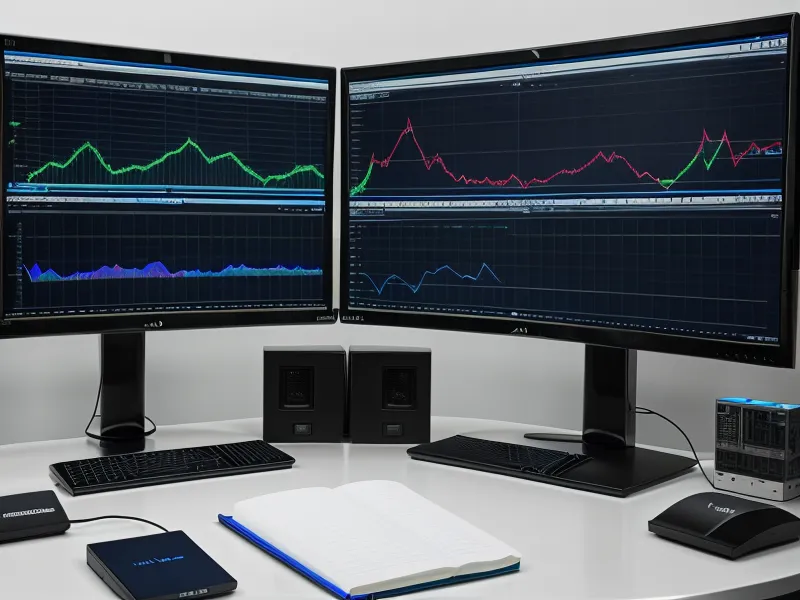
Before any of the AI tools, I tried a due-numbers rotation I found in a YouTube tutorial — the idea that numbers that haven't hit in a while are somehow "due." It didn't hold up against my own draw history any better than picks made at random, which tracks, since draws don't have memory. Weather forecasting works the same way in a different context: a five-day forecast narrows the range of likely outcomes without promising Tuesday's exact temperature, and that's roughly the ceiling for what any of these tools can do here too.
Picking a Tool Without Getting Burned
A few tool-credibility red flags are worth a quick gut-check before you sign up for anything — no visible history of past picks against real draws, or marketing copy that talks about winning without ever mentioning the odds. I won't turn this into a full checklist; the short version is if a site won't show its actual hit rate, that's usually because it isn't good enough to show.
People ask fairly often whether a paid tool is worth it over a free spreadsheet. I can at least tell you what a spreadsheet costs you: I once burned an evening chasing a broken VLOOKUP formula that had quietly been pulling the wrong draw dates for weeks before the totals looked off enough to notice. A paid tool doesn't have that particular failure mode. If you want to see the spreadsheet version anyway, I laid out the process for tracking your own picks in a spreadsheet separately.
My neighbor Rashida, who's made her opinion of this whole routine pretty clear over the years, caught me near Romare Bearden Park a while back and asked, flat out, if the algorithm had won yet. She only buys a ticket when a jackpot gets big enough to make the local news, which is a more rational policy than mine. Two years of logging Wednesday and Saturday draws will do that to a person — you either laugh at yourself a little or you stop.
Lotto Master Key is worth a mention here because it's the plainest of the three: a simpler system with a lot less going on visually than LottoChamp or Lottery Defeated, which matters if the bigger dashboards make your eyes glaze over. The trade-off is a smaller historical database and updates that don't come as often, so don't expect it to catch a new pattern as fast.
Powerball, Mega Millions, and Quick-Pick Add-Ons
Game-matrix differences matter more than people expect — Powerball's larger number pool behaves differently under frequency analysis than Mega Millions does, so a tool tuned on one game can look sharper than it really is on the other. Wheeling systems, which cover more combinations at once by grouping numbers into multiple tickets, are their own topic entirely. I don't run them myself, so I won't pretend to rate them here. Quick-pick optimization comes up a lot too — the short version is an AI-filtered quick pick and a random one aren't doing the same job, and that's as far as I'll take it here.
Total-cost-of-play accounting is worth doing honestly too: a tool subscription or license on top of your usual ticket spending only makes sense if you were going to play those draws anyway. I don't track any of this hoping to outsmart the odds. I track it because the process is more interesting to me than the birthday-and-anniversary method I started with.
My Verdict on AI Lottery Prediction Tools
If I'm recommending a starting point, it's LottoChamp — the historical depth gives you the clearest picture of what draw-frequency analysis can and can't tell you, and the guarantee window means you're not locked in if the dashboard isn't your thing. Lottery Defeated is the better fit if you're splitting time between Powerball and Mega Millions and want a community angle. Lotto Master Key is the one to start with if the whole idea feels overwhelming and you just want something simpler than a spreadsheet.
Whichever one you try, keep your own log next to it. The tools are a filter, not a forecast, and the only way to know if a filter is working is to check it against what actually happened.
If the historical-depth approach sounds like the better fit, this is the one I keep coming back to first:
LottoChamp
Pros
- ✓ Massive historical database for long-term pattern detection
- ✓ Includes updates for multiple state and national lotteries
- ✓ Risk-free testing with a 60-day guarantee
Cons
- − Interface feels a bit legacy for a modern AI tool
- − Higher initial cost than basic frequency trackers
The information on this site is based on personal experience and research for informational purposes only. It is not a substitute for professional medical, financial, or legal advice. Always consult a qualified professional before making decisions that affect your health or finances.