
Cell AH-206 gets today's five numbers, and my cursor drops to the next row before I've even finished processing what LottoChamp just flagged on that same cluster for the third draw running. Two years into building the kind of Powerball tracking spreadsheet no reasonable person needs, this is just what evenings look like now (my wife has opinions about this spreadsheet, and none of them are complimentary). I'm not a mathematician, not a lottery insider, and definitely not a financial advisor, I'm a data analyst who got mildly obsessed with an office Powerball pool and never really recovered. This review is my honest accounting of whether LottoChamp's AI-driven frequency tracking actually beats what I can do myself with a spreadsheet and too much free time, based on real picks logged against real draws.
Whether "hot" numbers are a real statistical pattern or just something we imagine because humans are wired to see shapes in noise is the hot-and-cold-number debate, and it's a rabbit hole I've mapped out in full elsewhere rather than here. Testing whether software could settle that question better than my own VLOOKUP formulas is what led me to LottoChamp, the tool this review is actually about. A friend from a data meetup in Charlotte, Kelsey Tatum, has been getting updates on this comparison since I started running it, and it was her idea to drop my head-to-head writeup into a Slack channel full of other spreadsheet people -- which is how I learned that a dozen strangers now have opinions about my hobby too.
Two Years of Spreadsheets Before I Trusted Any Tool
Two years ago none of this involved software at all -- just Powerball's three weekly draws and Mega Millions' two, logged by hand while I tried to work out which numbers were "overdue" based on how long it had been since they last hit. Before I even opened Excel for this, I'd already burned money on a lottery prediction guide with a five-star average on Amazon, on the theory that enough reviewers couldn't all be wrong about a book of number combinations. They could be, and were -- the picks it recommended did no better than numbers I'd have circled at random. The spreadsheet felt like the more honest approach right up until a broken formula spent three straight weeks quietly miscalculating my overdue numbers before I caught it, which is the kind of thing that makes you start looking for a tool that at least fails in a more predictable way.

I've written up that whole transition in more detail elsewhere, including the exact mess that pushed me toward AI lottery software in the first place: The Spreadsheet That Annoyed My Wife: How I Track AI Lottery Predictions Against Real Draws. Verifying whether any predicted set actually beats plain hit-rate tracking against real draws is its own separate project I keep updated on the side, and I'll spare you that whole spreadsheet here.
What LottoChamp's AI Actually Does With Powerball Draw Frequency
LottoChamp looks like software time forgot -- gray buttons, a boxy layout, the kind of interface that makes you wonder if the pattern-detection underneath is equally outdated. It isn't. Once I imported my historical draw data, the value turned out to be entirely in the database, not the design. Statisticians would point to the Law of Large Numbers here - the idea that results converge toward expected probability as sample size grows - and technically every draw is still an independent event. But short-term deviations in how often certain pairs or triplets show up together are exactly what frequency-tracking tools like this one are built to catch, and I've broken down the mechanics of that kind of analysis on its own elsewhere.
During a slow stretch where my own spreadsheet kept surfacing numbers that hadn't hit in months, LottoChamp flagged something different -- a frequency shift based on how often numbers were appearing in the last ten draws versus the last hundred, a "velocity" view my manual VLOOKUPs weren't built to catch. That's the real tradeoff with a tool like this: you gain speed and a much deeper historical database, but you're trading your own formulas for somebody else's black-box logic. Whether that trade is worth it probably comes down to how much you trust software you can't fully audit, which is its own kind of tool-credibility question -- the sort of red-flag checklist I keep for vetting lottery software generally, separate from this specific review.
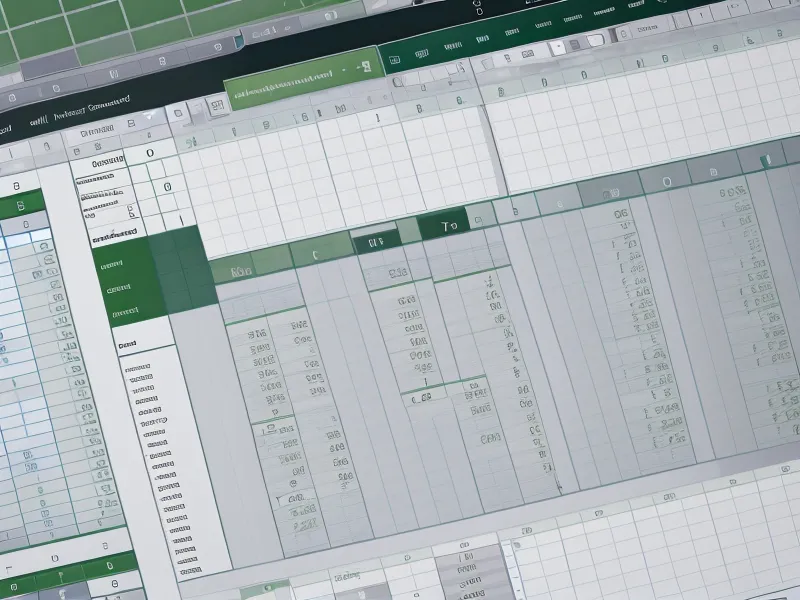
LottoChamp, Lottery Defeated, and Lotto Master Key, Side by Side
LottoChamp wasn't the only thing I ran this past. I tested it alongside Lottery Defeated, which covers both Powerball and Mega Millions through separate dedicated modules and carries the highest price tag of the three, and Lotto Master Key, a simpler, cheaper option that converts well for people who just want a starting point rather than a deep dive. Lottery Defeated runs on an ongoing subscription, and whether that recurring cost earns its keep compared to a one-time purchase is a question worth its own spreadsheet -- I've got one, just not in this post. Lotto Master Key's historical database felt noticeably thinner than LottoChamp's the moment I asked it for anything beyond a basic Quick Pick, though that thinner database might not matter much if you just want better odds without the spreadsheet obsession.
By the time I'd logged a few months of picks from all three, LottoChamp's suggested sets tracked more consistently with the actual frequency shifts showing up in live draws than what Lotto Master Key offered, though for a casual player who mainly wants better odds than blind guessing, Lotto Master Key might genuinely be enough, and optimizing your Quick Pick at all is really the main thing it's built for. It also updates its historical database less often, which matters if you're the type who backtests every recommendation against past draws before trusting it -- a habit I'd recommend regardless of which tool you pick, and one I've documented the actual methodology for in more depth elsewhere. Powerball's matrix and Mega Millions' matrix behave differently enough, too, that a tool tuned for one doesn't automatically transfer its edge to the other, something I only fully appreciated once I ran both games through LottoChamp side by side.

Does Any of This Beat Random Luck?
No tool, AI-powered or otherwise, predicts lottery numbers -- LottoChamp doesn't, and nothing else on the market does either, regardless of what a sales page implies. Powerball and Mega Millions are both negative-expected-value games, full stop, and that math doesn't change no matter how good your frequency clustering looks. I treat all of this as an expensive hobby that happens to use my professional skills, not a way to get ahead financially - the same way a friend of mine treats Reddit day-trading forums, chasing stock tips through comment threads with the same energy I chase number clusters through a spreadsheet, both of us fully aware we're unlikely to outsmart the market or the drum.
Around week six of running LottoChamp's picks against real draws, I checked results on my phone at Lake Norman while waiting for a fishing line to do literally anything, and the top-ranked cluster had matched three of five numbers -- the best single result I'd logged up to that point. One good result over six weeks doesn't prove an algorithm beats a coin flip over the long run, and I want to be upfront that plenty of weeks looked far less impressive than that one. Comparing any tool's picks against a random baseline of plain Quick Picks is the only honest way to know if you're actually ahead, and that's a comparison worth running for yourself over a much longer stretch than six weeks. None of the three tools I tested cover wheeling systems in a way I'd call robust either, which is a coverage gap worth knowing about if that's specifically what you're after.
I keep the full breakdown of how I grade every pick against every draw in a separate audit, if you want the actual mechanics rather than just my summary here: How I Built a Master Spreadsheet to Audit My AI Lottery Predictions. If you ever find yourself spending more on any of this than you're comfortable losing, that's a conversation for a professional, not a spreadsheet guy in Charlotte.
LottoChamp's 60-day money-back guarantee is honestly what made testing it low-risk in the first place -- it gave me enough draw cycles to judge the frequency analysis properly instead of forming an opinion off one lucky Saturday. Factoring in ticket costs across every draw I've played against the price of the tool itself is a full accounting exercise on its own, and one I keep updated separately rather than folding into every single review.
Is LottoChamp Worth the Spreadsheet Space?
After two years of this hobby, and six months specifically spent grading LottoChamp against real draws, my verdict is that it's the most reliable of the three for anyone who genuinely cares about the data behind the numbers, not just the numbers themselves. The interface is still ugly. The frequency analysis underneath it is still better than anything I built by hand, and it quietly removed a habit I didn't love admitting to -- picking the same few numbers over and over just because they felt lucky, with nothing to do with actual frequency.
If you want something simpler and less data-heavy than what I run, Lotto Master Key is a reasonable place to start. But if you're the kind of person who'd rather see the frequency math than trust a gut feeling, LottoChamp is the one I'd point you toward, and the 60-day guarantee gives you enough room to test that for yourself before deciding.
LottoChamp
Pros
- ✓ Superior AI-based pattern detection across state lotteries
- ✓ Includes massive historical database updated weekly
- ✓ Generous 60-day money-back guarantee for testing
Cons
- − User interface looks like a Windows 95 application
- − Higher initial price point than budget alternatives
The information on this site is based on personal experience and research for informational purposes only. It is not a substitute for professional medical, financial, or legal advice. Always consult a qualified professional before making decisions that affect your health or finances.