
My eyes need a second to adjust every time I click off the overhead light and let the monitor glow take over for the night. That's become the signal that a real data analysis session is starting, not just a quick glance at the draw results. Somewhere between the frequency charts I built by hand and the AI lottery strategy tools I eventually installed on top of them, my approach to Powerball tracking changed shape completely, and not in the direction I expected when I started.
Quick disclosure before the comparison starts: some of the links below are affiliate links, and if you click through and buy, I earn a commission at no extra cost to you. I only write about tools I've run against real draws in my own tracking sheet, which is exactly why one of the three platforms below barely gets used anymore.
Short version, since a comparison post should get to the point: the AI tools didn't replace my spreadsheet. They replaced the part of it that was chasing "due" numbers and never going anywhere, while the tracking columns that actually measure results stayed exactly where they were.
Manual Data Analysis vs. an AI Lottery Strategy
Manual tracking has a hard ceiling. A spreadsheet can hold frequency counts and odd/even ratios without much trouble, but it can't hold years of draw history against a dozen variables at once without turning into an unreadable mess of tabs. Treating a number as "due" after a long absence is a textbook Gambler's Fallacy, and it's a comfortable trap for anyone who likes rows and columns.
Before any of this got organized, I tried the laziest version of teamwork: a coworker office pool with no tracking and no real accountability, just a shared line of numbers and a vague promise to split any winnings fairly. It fizzled within a couple of draws because nobody was logging anything, and there was no way to tell if the numbers we picked were doing any better than picking at random.
Why My Manual Tracking Stalled Out
Once I had my own columns going, the results were unremarkable in a very specific way: mostly small matches, a hit rate hovering just over 2% across dozens of draws, and nothing that held up past one lucky stretch. Draw-frequency analysis, tracking how often each number shows up over a given window of draws, was the whole foundation of that spreadsheet, and it wasn't wrong exactly, just incomplete.
Hit-rate tracking is the piece that actually matters, since it's just a running log of what you played against what got drawn, updated every time there's a new result. Hot and cold number theory kept showing up in forums as the explanation for why certain numbers "should" hit soon, but my own backtesting, replaying old picks against draws that had already happened, never showed the reliability those threads implied. It's the same reason I don't trust a weather app's rain forecast without checking it against the baseline chance of rain on an ordinary afternoon: a number without a random baseline to compare against doesn't tell you much.
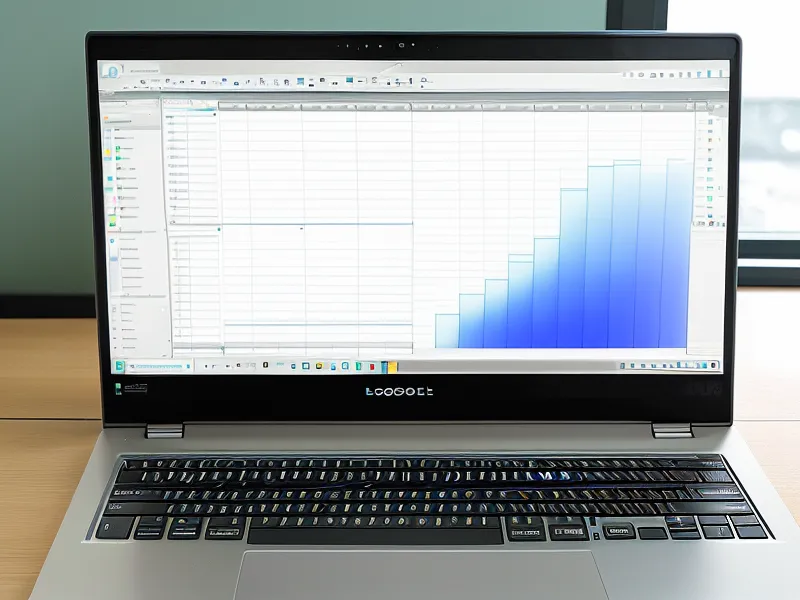
What Do AI Lottery Tools Actually Change?
AI-based tools don't chase due numbers, and that's the core difference. Instead of asking whether a number has been quiet too long, they look at which combinations of numbers show up together more often than plain chance would predict, based on the full draw history for that specific game. I won't pretend to know the exact mechanics under the hood of every platform I've tried, and most vendors keep that part vague on purpose, so I've learned to judge these tools by their track record against real draws rather than by their marketing copy.
If you want the longer version of how I got here, I laid out the full transition in 90 Days of Data: My Brutally Honest Audit of LottoChamp's AI Predictions (2026 Update), and the shorter version of how to pick a first platform is in Spreadsheet Geek's Guide to Choosing Your First AI Lottery Platform. The moment a spreadsheet stops scaling is exactly where the tool-vs-spreadsheet tradeoff becomes a real decision, and that's the decision this whole comparison is really about.
Where LottoChamp Fits in This Comparison
Of the three tools in this comparison, LottoChamp is the one still open in a browser tab most Wednesday and Saturday nights. The interface looks like it hasn't been touched in years, but it runs on a historical draw database that updates weekly, and it's a one-time purchase rather than a subscription. That combination is what kept it in rotation after the other two got tested and mostly shelved.
LottoChamp, Lottery Defeated, and Lotto Master Key, Side by Side
Lottery Defeated sits in an odd spot for someone who already keeps a spreadsheet. It covers both Powerball and Mega Millions with dedicated modules and has real frequency-analysis tools plus an active community sharing picks, real advantages if you're starting from nothing. But its dashboard has a learning curve, and weighing what it costs against what I'd otherwise build myself, a kind of subscription-value-analysis, is exactly where Lottery Defeated loses points with me, since most of its frequency features are things my own sheet already handles. The longer breakdown is in Compare Lottery Defeated Features to Other AI Tools Before Buying, if you want the detail.
Lotto Master Key takes the opposite approach: less analytics, less dashboard, just a shorter list of numbers to play. Quick-pick-optimization, taking the random ticket you'd buy anyway and filtering it against some historical logic, is basically its whole pitch, and it's a genuinely better fit for someone who wants a casual upgrade over hitting the Quick Pick button blind. It doesn't offer wheeling-system coverage the way some competitors do, so if you're the type who plays overlapping number sets across multiple tickets, this isn't built for that.
Its historical database is smaller than LottoChamp's, and it updates less often, which are the kind of tool-credibility red flags worth weighing before you commit. Game-matrix differences matter here too, since a tool that's strong on Powerball isn't automatically strong on Mega Millions, and it's worth checking which game a platform was actually built around. None of this changes the total-cost-of-play accounting, either: software or no software, the tickets themselves are still a loss on average over time, and no comparison changes that math.

Picking the Right Tool for Your Powerball Tracking
One Saturday afternoon, I refreshed the dashboard right before the drawing and watched the confidence score on one cluster climb higher than I'd ever seen it, the kind of number that makes you sit up a little in your chair. That cluster didn't hit a single ball that night, which is as good a reminder as any that a high confidence score describes a pattern in old data, not a promise about what happens next.
My neighbor Rashida still texts me for my best AI picks before any big drawing, usually right after telling me the whole hobby is a waste of a perfectly good spreadsheet. She's not wrong that it's a lot of effort for a game with terrible odds, but she also hasn't missed asking once.
So which one should you actually pick? If you already run your own tracking system and mainly want a faster way to filter combinations against a big historical database, LottoChamp is the better fit, and it's the one I keep coming back to. If you don't want to look at a dashboard at all and just want a short, filtered list of numbers without the analytics layer, Lotto Master Key does that job with a lot less friction. Lottery Defeated is worth a look mainly for the community-shared-picks angle, since its core frequency tools largely duplicate what a spreadsheet already does for free.
None of this turns the lottery into a good financial decision. The house edge doesn't move because a piece of software found a cluster that looked promising, and every dollar spent on tickets should come out of money you'd be fine losing entirely. I keep doing this because I like the tracking and the comparison more than I like the actual jackpot odds, and that's a very different reason to play than expecting these tools to change the math.
The information on this site is based on personal experience and research for informational purposes only. It is not a substitute for professional medical, financial, or legal advice. Always consult a qualified professional before making decisions that affect your health or finances.