
My cursor is still hovering over the refresh button when one confidence score on the dashboard jumps higher than anything I've seen since I started running three AI lottery platforms side by side. That's usually the exact moment my Saturday routine, checking the week's numbers against every pick the tools flagged, stops feeling like busywork and starts feeling like real lottery data analysis, even though a high confidence score on a random draw is still just a number a model is proud of, not a prophecy.
Quick disclosure before the questions start: a few links on this page are affiliate links tied to lottery tools I've personally paid for and tracked, and if you buy through one I earn a small commission at no extra cost to you. I'm not a mathematician, a statistician, or anyone qualified to hand out financial advice — just a Charlotte data analyst who got obsessed with a spreadsheet and never quite stopped.
AI Strategy or Noise: What These Lottery Tools Actually Do
None of the three AI lottery platforms I've run through my spreadsheet actually predicts anything, and I'd be lying if I said otherwise.
What they do is automate draw-frequency analysis — tallying how often each of the 69 white balls and 26 red balls has come up across a stretch of Powerball draws — and then dress the output in enough predictive-modeling language to sound new. Under that layer sits the same hot-and-cold number logic hobbyists have run in spreadsheets for years, just applied faster and across more games at once.
Human number-selection bias is the other half of the story: most people pick birthdays, anniversaries, or lucky sequences, which quietly caps the pool of numbers they're drawing from, and no AI tool fixes that unless you let it override your own picks entirely. The actual value, if there is one, is narrowing a field of millions down to a shorter list you can afford to play — not predicting a jackpot.

What Made Me Pick LottoChamp First?
LottoChamp was the first platform I paid for, mostly because it already had a full historical draw database loaded and updated, something my own Powerball tracking spreadsheet had been missing since the start, after I'd sunk an afternoon into half-building a scraper for the same job. LottoChamp runs a regression-style analysis over that history, and since Powerball draws happen three nights a week, the dataset behind it grows fast enough to keep a spreadsheet person entertained.
Platform quality, to me, comes down to a few concrete things: how far back the historical database goes, whether the vendor publishes any backtest or verification, and whether a plan locks you into a subscription you can't easily undo, which is the real feature-evaluation checklist, more than whatever marketing copy calls the algorithm underneath.
The clearest example of that for me was LottoChamp's frequency tracking, which held up better than the other two tools once I started comparing notes side by side. It also came with a 60-day money-back guarantee, which mattered more to a skeptical spreadsheet guy than any claim about accuracy — it meant I could test the tracking against two months of real draws before deciding whether it earned a permanent spot in the rotation, not unlike trialing a stock-screening tool before paying for the full version.
Tool-vs-spreadsheet tradeoff questions always come back to the same thing: a paid platform buys you a bigger, cleaner dataset and less manual entry, while a homemade spreadsheet buys you full control over the weighting, and neither one buys you a guarantee.
Some tools lean hard into quick-pick optimization instead, running randomized picks through a filter rather than betting everything on frequency trends, which is a different bet entirely and worth knowing before you settle on a platform.
The Fibonacci Experiment That Went Nowhere
For a stretch, I tried generating every pick myself by running a Fibonacci sequence over the number pool instead of trusting any AI-flagged cluster, just to see whether a clean mathematical pattern could out-perform machine-selected ones. It couldn't. Hit rate over that stretch came in worse than plain Quick Picks, and I dropped the approach without much regret.
That failure is basically a random-baseline comparison in disguise: if a clever homemade method can't beat randomized Quick Picks over a real stretch of draws, it isn't adding anything, no matter how elegant the math looks on a whiteboard.
My friend Stephen Yoo, who I met at a Charlotte data meetup a couple of years back, runs a competing spreadsheet with a completely different weighting method, and when we compared results after my Fibonacci detour, his approach hadn't done any better against the same draws either, which somehow made the whole exercise feel less embarrassing.
If a platform won't show you a real historical database, any kind of backtest, or a clear refund policy, that's a bigger red flag than one bad week ever is (homemade Fibonacci picks or not).
Does It Make Sense to Track Multiple Games or Switch Providers?
Once I had a real hit-rate history for LottoChamp, the next question was whether adding a second provider actually added anything or just added noise to the tracking sheet.
I ended up testing Lottery Defeated mainly for its multi-state modules, since it's built to handle Powerball and Mega Millions as separate tracked games instead of lumping them into one dashboard.
Game-matrix differences matter more than people expect: Powerball and Mega Millions use different ball counts and different odds structures, so a model tuned on one dataset doesn't automatically transfer to the other, and any tool worth paying for should treat them as separate problems.
That's the whole idea behind analyzing multi-state draws instead of just one game: if you already split your ticket money across Powerball and Mega Millions, a tool that treats them as a single blob is wasting half its own data.
Checking My Own Math Before Trusting Anyone Else's
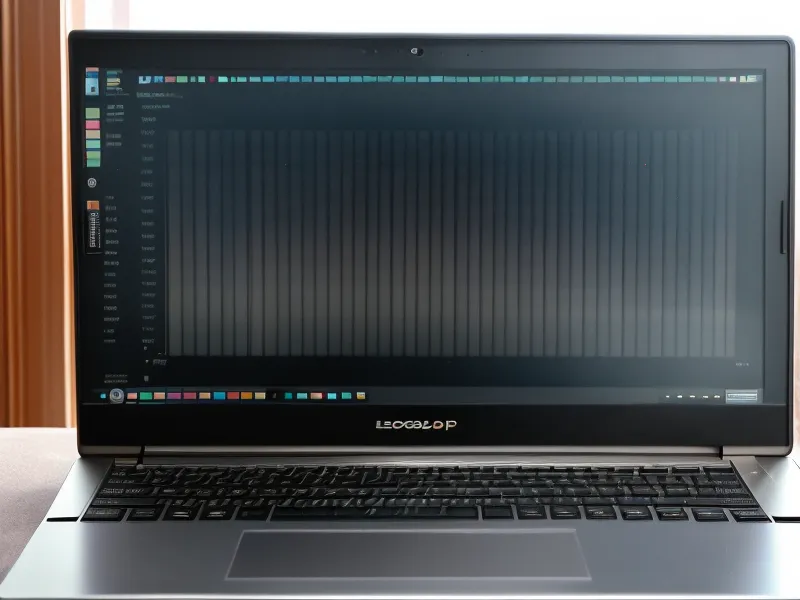
The least glamorous part of this whole project is still just me, late in the evening, thumbing draw numbers into a spreadsheet cell one at a time (a habit that has earned zero sympathy from anyone I've mentioned it to), mechanical keyboard clicking away long after the rest of the house has gone quiet.
Hit-rate tracking is the part everyone skips, and it's the only part that actually tells you anything: recording every suggested pick against the real draw, tier by tier, instead of just remembering the one time a tool got three numbers right.
I've documented the actual mechanics of that process in my backtest spreadsheet guide, including the columns I use to flag a false positive versus a real hit.
Wheeling systems come up constantly in questions I get about coverage, and the short version is that they spread a fixed budget across more number combinations without changing the actual odds of any single combination hitting, useful for organizing a group play, not for beating the math.
Why Trust Picks That Change Every Week?
A commenter named Adanna Ezike asked me something close to this after finding one of my tool reviews linked in a lottery subreddit thread: she plays a fixed set of Mega Millions numbers every single draw and wanted to know why she should trust an AI system whose suggested numbers shift from week to week.
Fair question, and the honest answer is that she shouldn't trust it blindly. A model that reshuffles its top cluster every week is reacting to the newest draw the same way a weather forecast updates after a fresh pressure reading. It's optimizing against the most recent data, not clinging to a fixed set out of habit. Neither approach guarantees anything, but a fixed set is cheap to reason about, and a shifting one at least isn't ignoring new information.
Is the Budget-Friendly Option Actually Worth Considering?
Lotto Master Key is the option I'd point budget-conscious readers toward, mainly because it skips the heavier processing of the pricier suites in favor of a simpler system that's easier to actually use every week. I've been feeding Lotto Master Key picks into the same master spreadsheet as the other two tools, and its historical database is noticeably smaller, which shows up as less granular pattern detection on less common games.
Subscription-value questions come up a lot here, and the way I look at it is simple: a tool only earns its price if the historical database and update frequency hold up over months of real tracking, not just the first few weeks of enthusiasm.
The Bottom Line After Six Months of Tracking
Six months in, the honest verdict is that none of this beats the house edge, and nothing ever will. The math behind the jackpot odds doesn't care how good anyone's spreadsheet is.
What's changed is smaller: I've stopped paying for tickets built around birthdays or lucky dates with no basis in draw history, and that same money now goes toward fewer, more deliberate lines instead of a stack of random Quick Picks.
Total-cost-of-play accounting is the boring spreadsheet habit that actually matters most: adding up everything spent on tickets across a stretch and weighing it against what the same number of blind Quick Picks would have cost, rather than fixating on any single lucky tier hit.
For anyone who gets genuine satisfaction from a clean spreadsheet, LottoChamp is still where I'd point you to start, mostly because its database saves you from the scraper project I wasted an afternoon on. Keep the bets small, keep the tracking honest, and treat every confidence score the way you'd treat a bold stock-screener signal: worth a look, never worth the rent money.
The information on this site is based on personal experience and research for informational purposes only. It is not a substitute for professional medical, financial, or legal advice. Always consult a qualified professional before making decisions that affect your health or finances.