
Four weeks in a row is the number that got my attention. That's how long LottoChamp's top-ranked combination landed one digit off the bonus ball on my Wednesday tracking tab, not a win, not nothing, just close enough four separate times running to make me stop and actually question whether that meant anything at all.
Quick disclosure before the questions start: this site runs on affiliate links, and if you click through to a tool I mention and buy it, I earn a commission at no extra cost to you. I only cover platforms sitting in my own tracking spreadsheet. None of this is financial or gambling advice — I'm not licensed to give either — and every dollar spent on a ticket carries a negative expected return no matter how good the software gets.
That kind of near-miss is basically the whole story of doing AI lottery analysis for real: less about outsmarting the drawing machine and more about grinding through data tracking long enough to see whether a Powerball strategy built on lottery software actually beats picking numbers off a cereal box. People ask me a lot of the same questions once they find out about the spreadsheet (my wife included, usually with a raised eyebrow), so this is organized around those, not a diary, just answers.
Can These Tools Actually Predict the Next Powerball Draw?
Short answer: no, and any AI lottery tool worth its subscription says so somewhere in the fine print. What they actually do is run frequency counts across years of historical Powerball draws and rank combinations by how often each number and the bonus ball has shown up, not by predicting what's coming next. LottoChamp is the one I lean on most for that database, mainly because it refreshes weekly instead of sitting stale for a season. Draw-frequency analysis is really its own topic; I go deep on how that specific method works in a separate piece, so I'll leave it at that here.
The Office Pool Habit That Didn't Actually Tell Me Anything
Before any of the software, there was the office pool — a group of coworkers throwing in for tickets every week with no tracking, no shared spreadsheet, no record of which numbers anyone had actually picked, let alone whether they held up over time. It felt social and fun, and it taught me exactly nothing about whether any approach worked better than another. Nobody wrote anything down, so a win or a near-miss just evaporated into memory by the next Monday. That gap between playing and actually knowing anything is what pushed me toward building my own tracking system in the first place. Hit-rate tracking done properly is its own discipline — I made a mess of my first attempt at it before landing on a method that actually holds up, which is a longer story I've written up separately — but the office pool is a good example of what happens with none at all.
How Do You Separate a Real Pattern From Noise?
This is the question I get most, and it's a fair one, because people are wired to see shapes in static. Hot and cold number theory — numbers that have hit often lately versus ones that haven't shown up in a while — is the most common way people try to answer it, and it's tempting precisely because it feels intuitive, though I keep that discussion contained to its own article rather than relitigating it here. What actually helps is treating any AI-generated shortlist the way you'd treat a weather forecast: useful for narrowing your options, useless as a guarantee. If you want the fuller breakdown of how I sort signal from noise, including where that approach fell flat for me, it's laid out in Smarter Ways to Select Lottery Numbers Using Pattern Recognition Tools.

One-Time Purchase vs. Endless Subscription
Money aside — and it varies by platform — one thing worth checking before you commit is whether a tool is a one-time purchase or something that renews every month whether you use it or not. LottoChamp sells as a one-time payment with a 60-day money-back window, which is part of why I was willing to keep testing it past the first few disappointing draws instead of bailing after a bad week. A subscription model changes the math entirely, since you're paying whether or not you're actually logging in to check picks. I've broken down that whole subscription-versus-one-time comparison in more detail elsewhere, but the short version is: know which one you're signing up for before the first charge hits.
Spreadsheet and Software: Why You Need Both
Yes, honestly, and this is the one where I have the most mileage. Software is good at chewing through decades of draws faster than any human ever could; a spreadsheet is good at keeping the software honest, logging what it actually suggested against what actually happened. Without that second layer, you're just trusting a vendor's word for it. I ran a fairly deliberate side-by-side of manual tracking against algorithm output, methodology and all, in Manual Tracking vs AI Algorithms: My Charlotte Office Experiment Results, and that tool-versus-spreadsheet tradeoff is really the throughline of that piece. Short version here: let the software generate options, let your own sheet verify whether it's earning its keep.
Weighing Lottery Defeated Against the Learning Curve
Lottery Defeated is the other platform in my rotation, and it's built differently — dedicated modules for Powerball and Mega Millions rather than one blended system, plus an active user community sharing picks and reasoning. That structure means the dashboard takes longer to feel natural; there's more to click through before it clicks. Powerball and Mega Millions run on different number matrices entirely, which matters more than people assume when they're comparing results across games, and it's a detail I unpack properly in a dedicated piece rather than cramming it in here. For someone playing both games regularly, the separate-modules approach is probably worth the extra ramp-up time. For someone sticking to one game, it's more structure than you need.
Why I Still Point Beginners to the Simpler System
Lotto Master Key is the one I recommend when someone tells me the whole AI-lottery-tool space feels overwhelming. Its historical database is smaller than LottoChamp's and it updates less often, but the tradeoff is a system with fewer variables to manage — you're not staring down fifty toggles trying to figure out what any of them do. That simplicity carries over into how it structures quick-pick optimization specifically, which is its own can of worms covered separately for anyone who wants the mechanics. For a first tool, less is often more; you can graduate to something denser once you actually know what questions you're trying to answer.
Wheeling Systems: Extra Tickets, Extra Coverage, Extra Cost
Wheeling — spreading a pool of numbers across multiple tickets so you get partial coverage of more combinations — comes up constantly once people get past the basics. It isn't complicated, but it multiplies how many lines you're buying, and more lines means more spent per draw regardless of what the software recommends. Whether that coverage is worth the added cost depends entirely on your own budget and how many draws you're willing to sit through before drawing conclusions, and there's a full walkthrough elsewhere of how I size a wheel for anyone who wants the coverage math without the sales pitch. My rule of thumb stays simple: never let a wheeling system talk you into more lines than you'd have been comfortable buying before you knew the word "wheeling."
Testing Lottery Software Against Random Chance, Not Against Hope
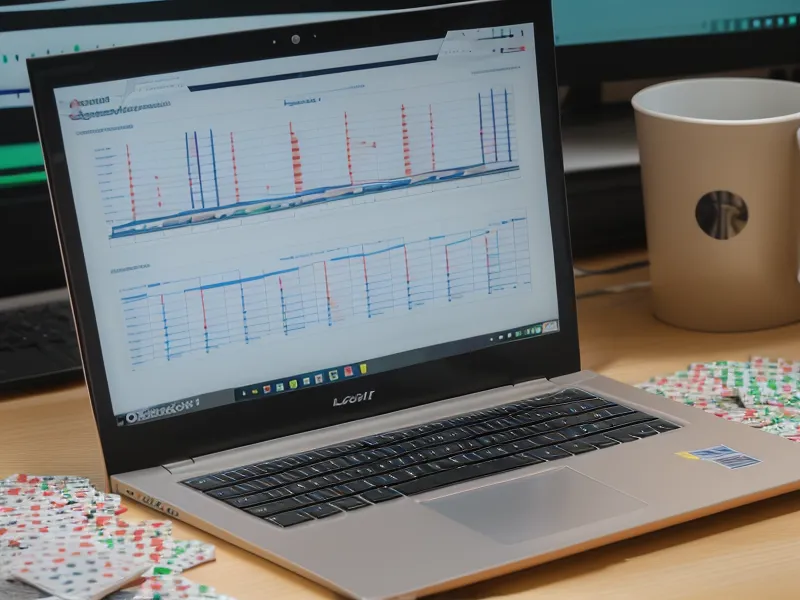
The only test that actually means anything is comparing a tool's suggested picks against what plain random selection would have done over the same stretch of draws. Backtesting methodology matters here — run it against too short a window and you'll fool yourself either direction — and there's a dedicated page walking through how I structure that comparison so it doesn't just confirm what I already want to believe. Random baseline comparison is the boring part nobody wants to do, checking whether the "smart" picks actually beat Quick Picks over enough draws to mean anything, but it's the only thing standing between a real signal and expensive confirmation bias. Most of the time, the answer sits closer to "roughly the same" than either the marketing or the skeptics would like.
What This Actually Costs Over Six Months
People ask about win rate first and cost second, which is backwards. Total cost of play — tickets, plus whatever a tool costs, added up over months rather than judged by a single lucky draw — is the number that actually determines whether any of this was worth it, and it's a separate accounting exercise kept in its own spreadsheet tab rather than mixed into pick tracking. Rashida, my next-door neighbor, has taken to texting me the morning after every big draw just to confirm the picks lost, which is her way of keeping me honest about the running total. She's not wrong to check. Across a stretch like six months of Monday, Wednesday, and Saturday draws, three games a week adds up fast, software subscription or not, and pretending otherwise is how people end up surprised by their own habit.
Rotation, Not a Silver Bullet
For most people asking where to start, LottoChamp is still the one pointed to first, mainly because the database updates often enough that the frequency counts don't feel stale by the time Saturday's draw rolls around. It won't beat the odds — nothing will, the house edge is the house edge no matter which subscription you buy — but it does the frequency-counting grunt work faster than any spreadsheet built by hand could manage. Anyone curious about the actual numbers behind that can see the draw-by-draw breakdown in Beyond Random Luck: How to Use LottoChamp to Analyze Draw Frequencies, tracked the same way as everything else here — logged, dated, and checked against the official results rather than taken on faith.
None of this replaces picking numbers you like for fun, and none of it turns a losing game into a winning one. What it does is turn a vague hobby into something you can actually evaluate instead of just feeling lucky or unlucky about it. That's the whole pitch, and it's a modest one on purpose.
The information on this site is based on personal experience and research for informational purposes only. It is not a substitute for professional medical, financial, or legal advice. Always consult a qualified professional before making decisions that affect your health or finances.